📅 Overview
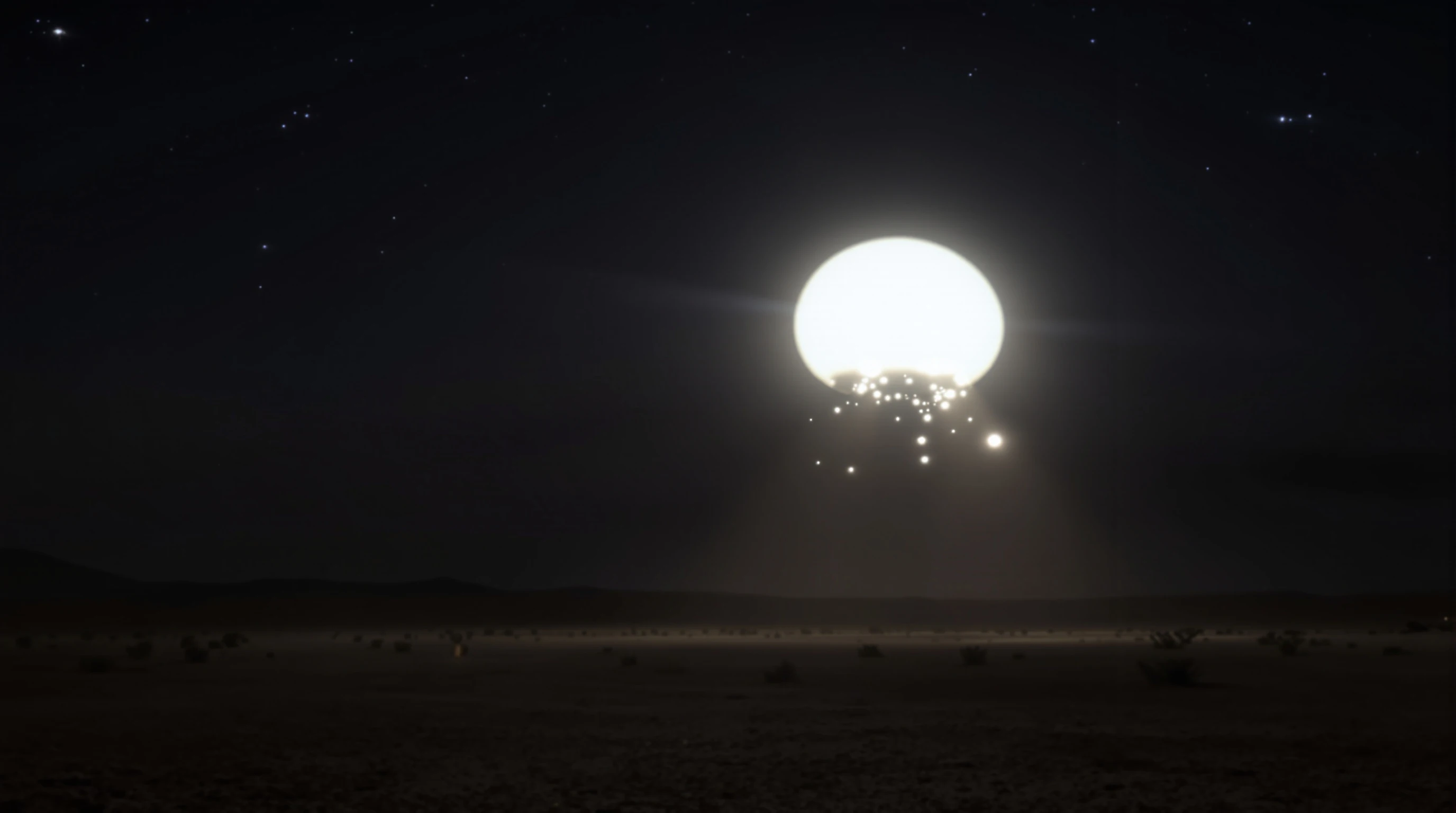
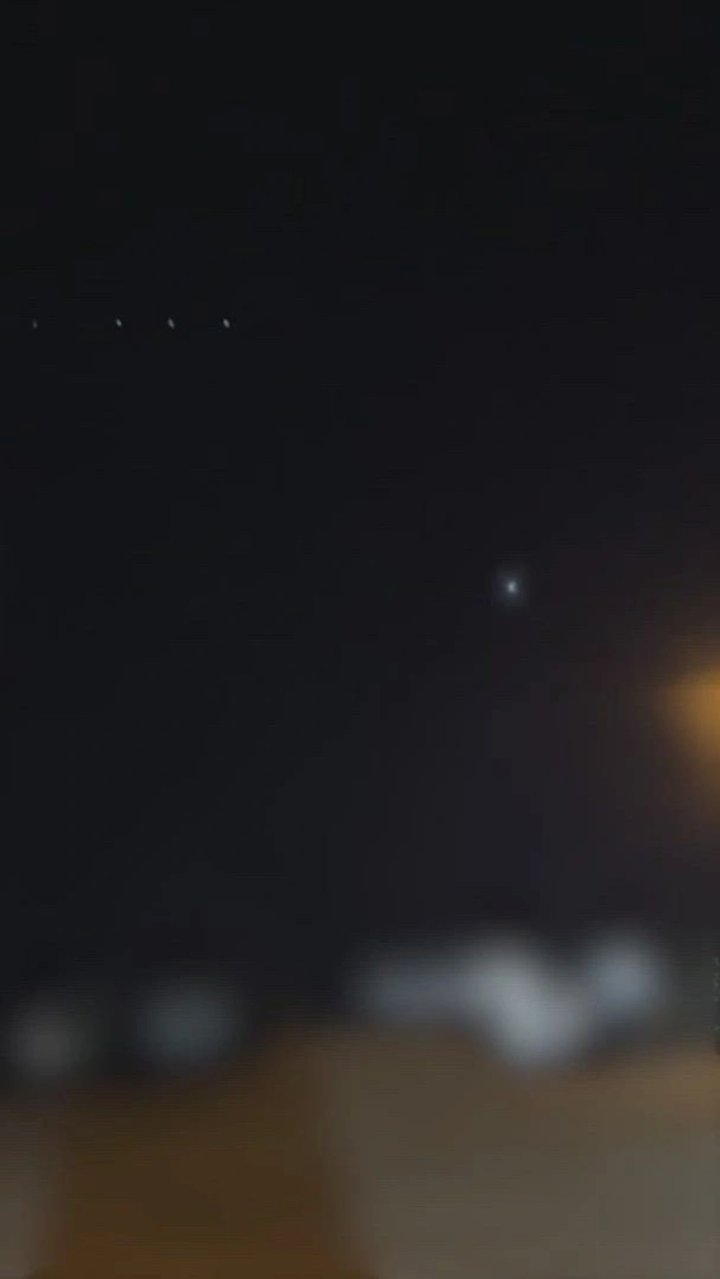
Near Tremonton, Utah, on July 2, 1952, U.S. Navy Chief Warrant Officer Delbert C. Newhouse saw 12 to 14 reflective objects in the sky and filmed them in color with a handheld Bell & Howell Auto Master camera. Newhouse was a Navy photography specialist with more than 1,000 hours of aerial-photography experience, and the Air Force assessed him as an honest and reliable witness.
The film became one of the best-known visual cases of Project Blue Book, the U.S. Air Force's 1952-1969 UFO investigation program. The original footage and the investigation files were released together in PURSUE release 6 on September 18, 2026.
📷 U.S. Department of War / DVIDS (public domain) · PURSUE release 6 (2026-09-18)
🎥 What the Footage Shows
- A 70-second digitization of a 16mm Kodachrome color print.
- From 0:55 the reel switches to unrelated footage that appears to show sewing equipment. The surviving print may be a composite, but the record does not say how or when the materials were combined.
- The original roll continued with mountain scenery from Idaho, which is not in this digitization.
- AARO comment: some documents call it 35mm film, but the original submission paperwork identifies a 50-foot roll of 16mm film; the 35mm versions were later blow-up duplicates.
🛂 How the Assessment Changed
| When | Who | Assessment |
|---|---|---|
| 1952 (early) | Air Force, Project Blue Book | Considered birds or balloons reflecting sunlight and a mirage effect; no conclusion |
| December 1952 | Blue Book + General Mills balloon specialists | General consensus that the objects closely resembled "pillow balloons"; one representative thought they were too bright and moved too fast. No balloon release in the area was found |
| 1953 | U.S. Naval Photographic Interpretation Center | Characteristics inconsistent with natural phenomena or known aerospace technology; recommended a better-resourced investigation |
| Later | Air Force | Favored seabirds reflecting sunlight |
The Air Force file also records that, with no fixed reference points, the objects' distance, size, altitude and speed cannot be determined from the film alone. High-speed calculations relied on the unverified assumption that the camera was held still.
📂 Related Files in the Release
- D102 — Project Blue Book file on the Tremonton film
- D103 — Pillow-balloon comparison photo file
- D104 — Newhouse's final personnel record (1957) — retired as Chief Warrant Officer 4, then the top warrant grade
- D105 — Air Force "flying discs" file (Sept–Dec 1952) — pages 26-36 cover Tremonton
- D098 — U.S. Navy film analysis (1953, release 5) — analysis of the Montana 1950 and Tremonton 1952 films
- PR160 — Recording of Blue Book chief Capt. Edward Ruppelt's presentation (March 1952) · transcript D154 — about 20% of roughly 800 cases unexplained
🤔 How to Read It
Tremonton is a case where the Navy and the Air Force read the same footage differently. The Air Force's final view was seabirds, but its own records say the film alone cannot settle the question, so interpretations still differ.