📅 Overview
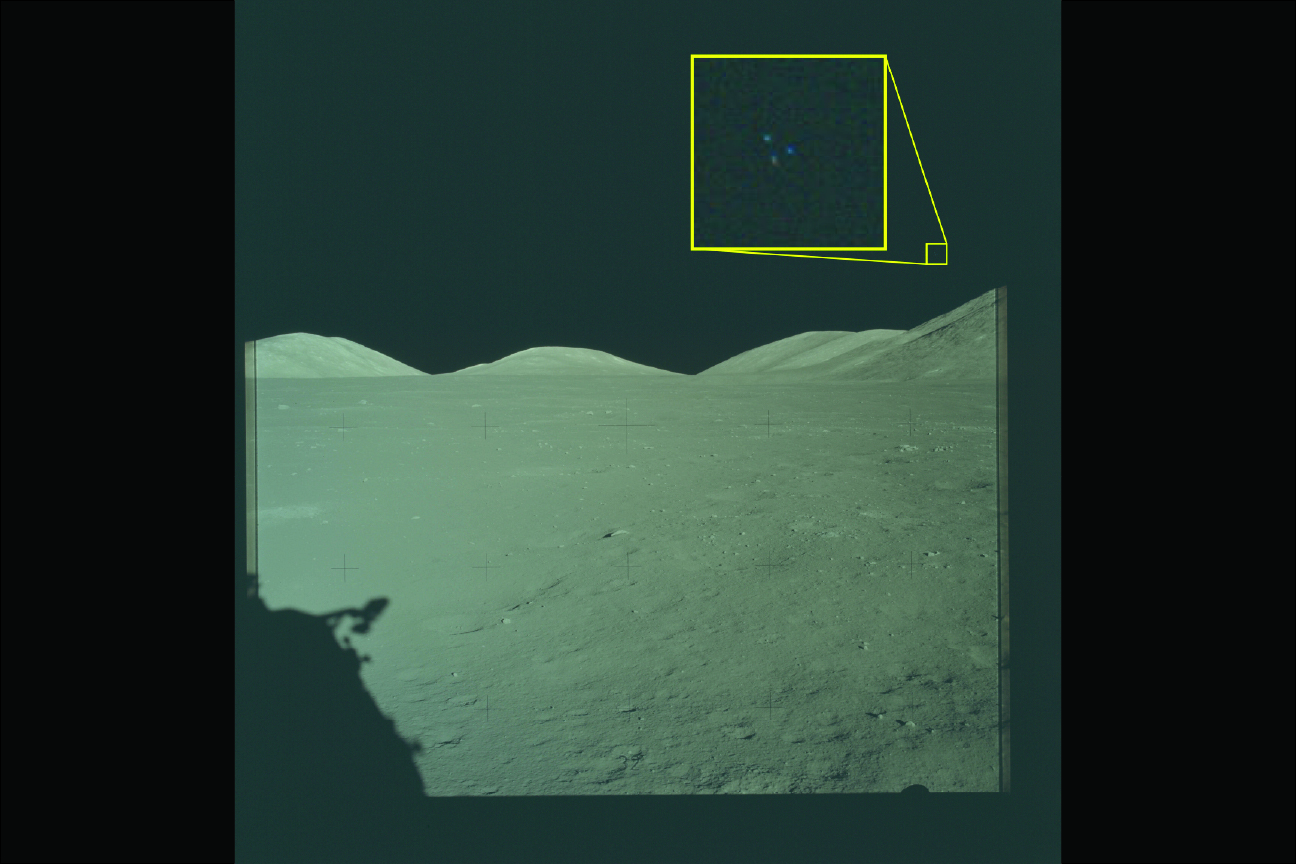
In December 1972, during NASA's Apollo 17 mission — humanity's last lunar landing — astronauts photographed three dots arranged in a triangular formation in the lunar sky. The image was recorded in NASA's official mission transcript. The 2026 PURSUE disclosure officially classified this as declassified material.
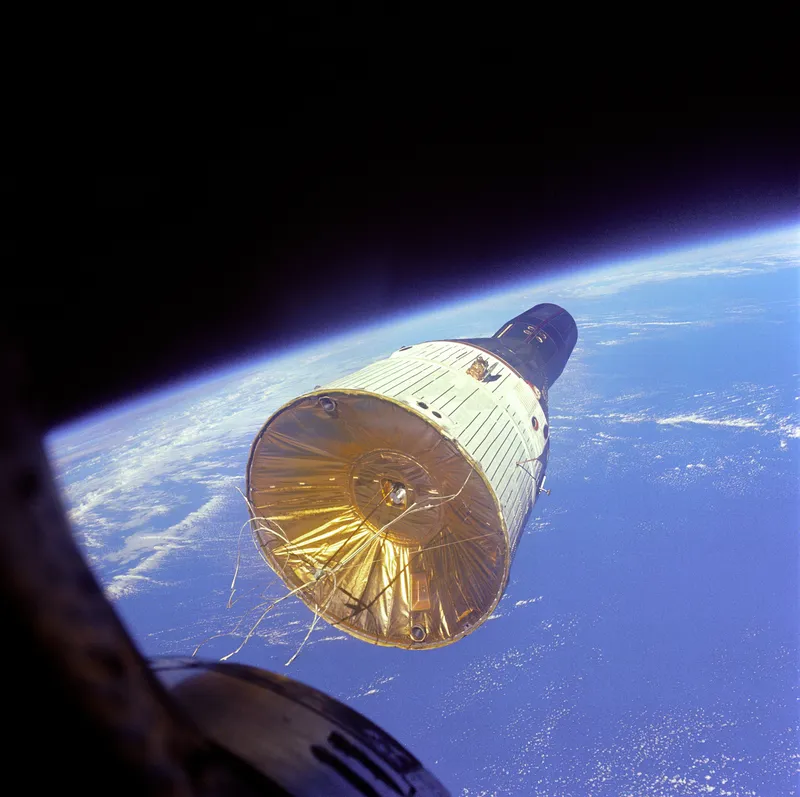
📷 U.S. War Department / DVIDS (Public Domain)
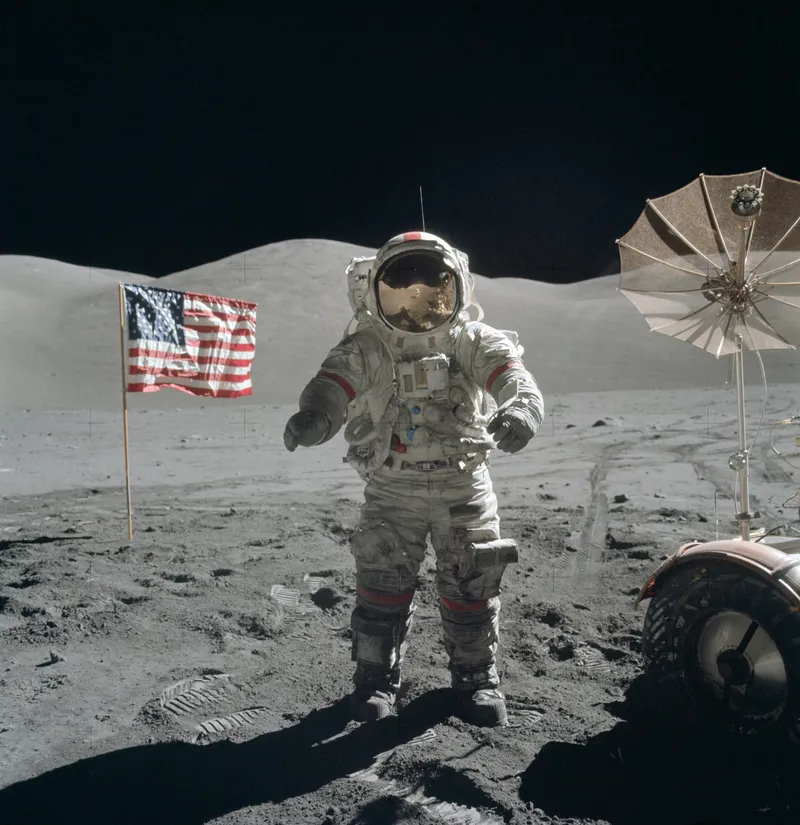
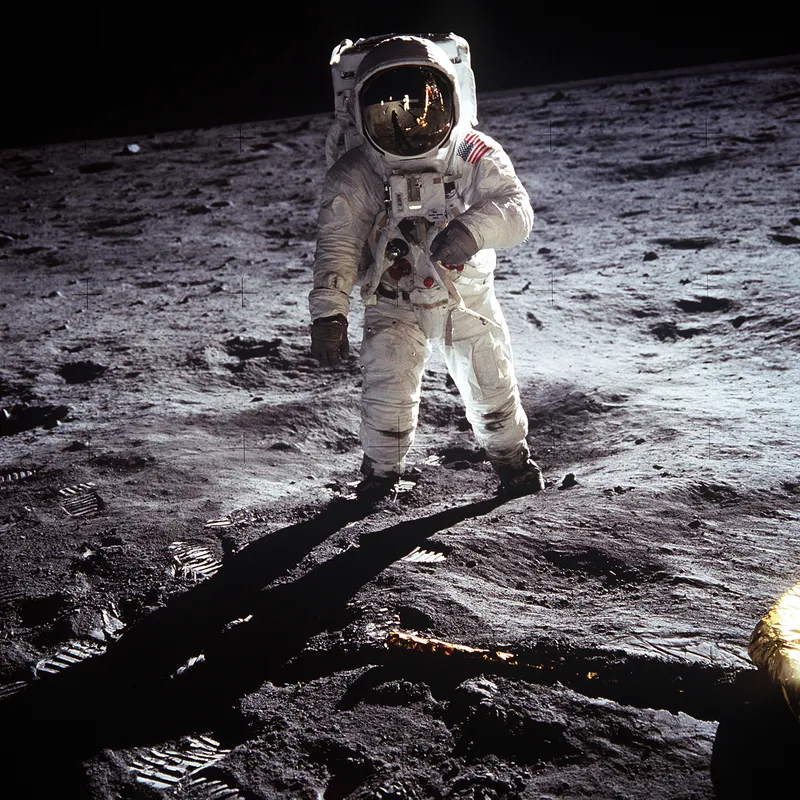
📷 NASA / Wikimedia Commons (Public Domain)
🚀 Mission Background
Apollo 17:
- Launch: December 7, 1972
- Lunar landing: December 11, 1972
- Crew: Eugene Cernan (Commander), Ronald Evans (CMP), Harrison Schmitt (LMP — NASA's first scientist-astronaut)
- Significance: Humanity's last lunar surface mission (Cernan = the last human to leave the Moon)
🔍 Incident Details
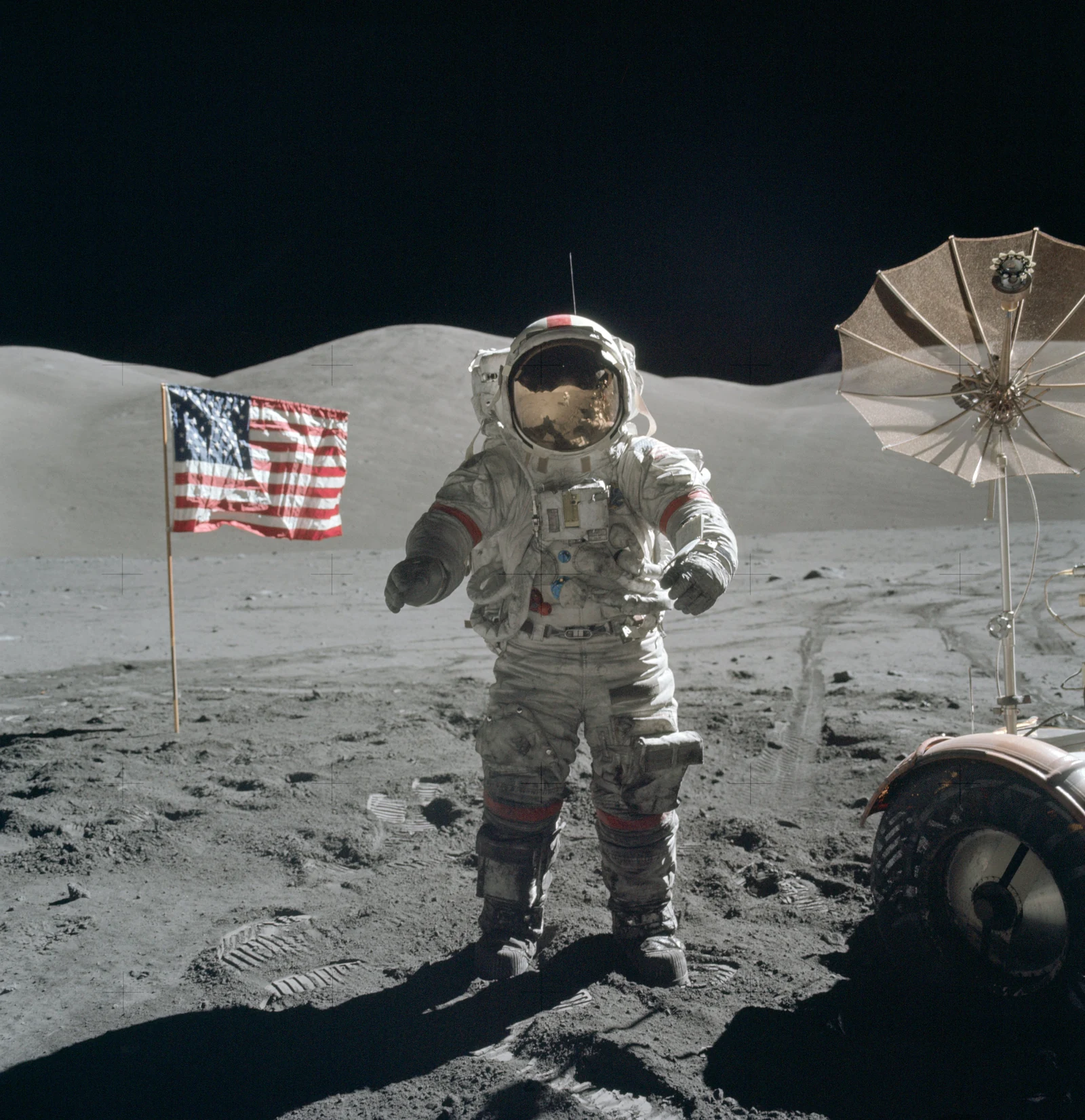
Photographs taken on or near the lunar surface revealed three dots arranged in a triangular formation in the lunar sky:
- Location: lunar surface or near Lunar Module orbit
- Appearance: three small bright points in consistent triangular arrangement
- Movement: unknown (single static frame)
- NASA analysis: evaluated possibilities including stars + camera optical effects but classified as 'unidentified' without conclusive explanation
🛂 NASA Follow-up Analysis
Possible natural explanations:
- Camera optical effects: lens flare, dust artifact, or film grain
- Stars/planets: stars visible in the lunar sky captured on film
- Orbital debris: separated stages or tools from Apollo 17
- CCD/film exposure effects: residual artifacts from 1972 film technology
Unresolved classification:
- Despite 50+ years of NASA review, no clear natural phenomenon could be identified
- The 2026 PURSUE disclosure now provides external analysis opportunity
🤔 Questions
Testimonies from other Apollo 17 astronauts:
- Both Cernan and Schmitt reported unidentified observations during the mission
- Buzz Aldrin (Apollo 11) also separately reported "unusual lights"
- UAP reports among NASA astronauts in space are relatively common
Specificity of the lunar sky:
- The Moon has no atmosphere → no stellar twinkling, minimal optical distortion
- Therefore unidentified objects seen from the Moon should be easier to identify than from Earth
- Yet this case remains unresolved
📺 Impact and Significance
- Among the most visually striking cases in NASA's space mission UAP records
- One of the key materials in the 2026 PURSUE disclosure
- Connection point between the space age and UAP phenomena
📷 Related Photographs
Source: Public Domain — NASA
Source: Public Domain — NASA