📅 Overview
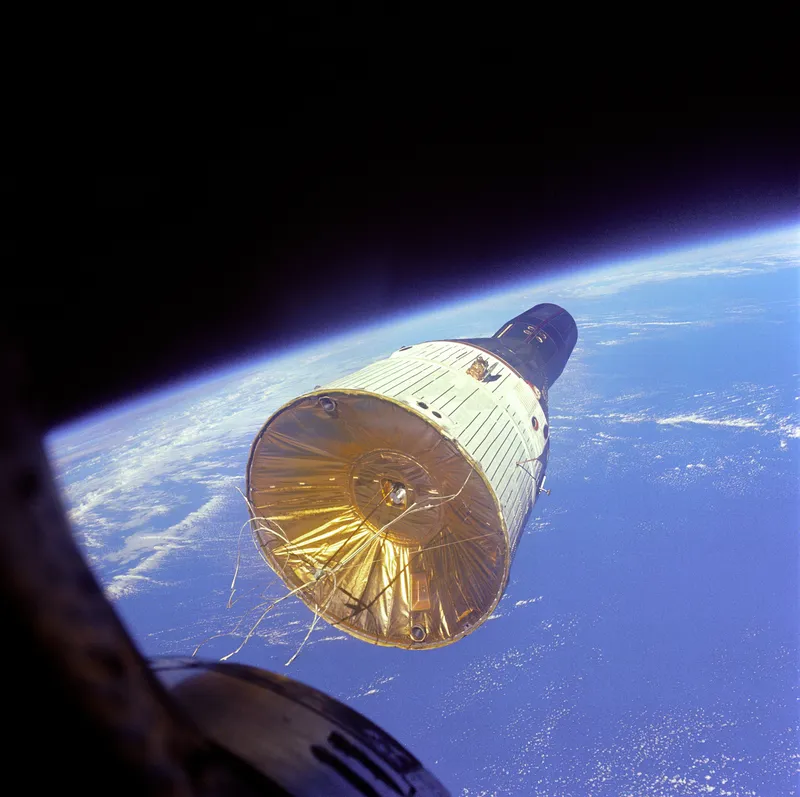
On December 5, 1965, during NASA's Gemini 7 mission, astronauts James Lovell and Frank Borman observed an unidentified object in Low Earth Orbit and reported it to Mission Control. They detected a 'bogey' surrounded by hundreds of little particles, and Borman personally annotated the transcript with the handwritten note "UFO Sighting by Borman".
🚀 Mission Background
Gemini 7:
- Launch: December 4, 1965
- Duration: 14 days (longest spaceflight record at the time)
- Purpose: long-duration spaceflight + Gemini 6 rendezvous
- Crew: Lovell + Borman in 2-person capsule
🔍 Event Details
During Mission Control communication on Dec 5, 1965:
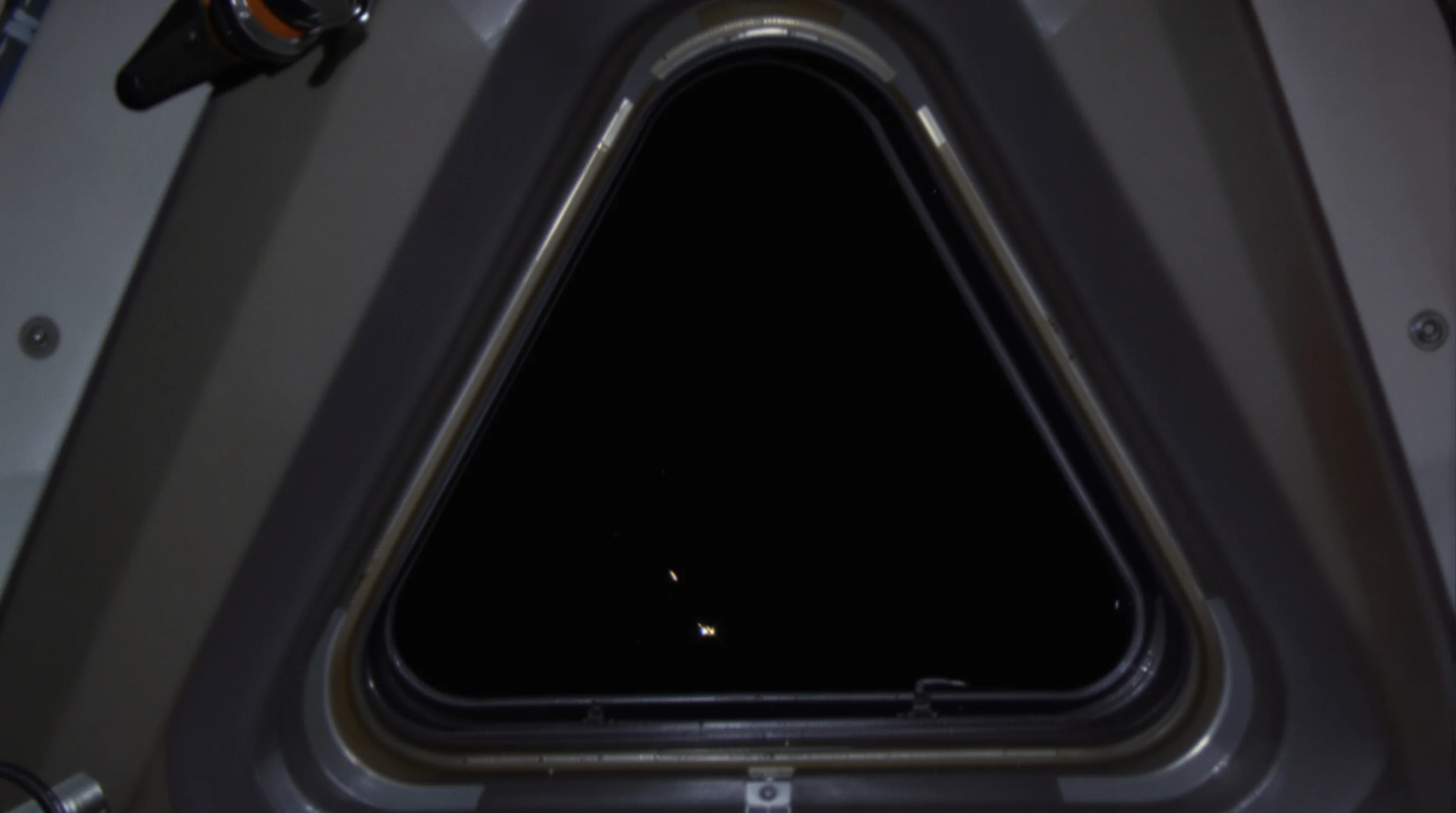
- Lovell + Borman reported "bogey at 10 o'clock high"
- Simultaneously observed "hundreds of little particles"
- Borman: "We have a bogey at 10 o'clock high, looks like a satellite"
- Mission Control analysis: different from typical satellite behavior
Borman's handwritten annotation: "UFO Sighting by Borman" — a rare case of an astronaut formally classifying their observation as a UFO.
🛂 NASA Follow-up
- Initial consideration: Gemini 6 propellant ejection debris
- However, Gemini 6 was ~50km away — particles unlikely visible at that distance
- Official classification: 'unidentified'
- Released to public through 2026 PURSUE disclosure
📺 Significance
- NASA's most well-documented astronaut UAP case
- 1965 event released to public after 60 years via 2026 PURSUE
- Direct connection between space age, government, and UAP
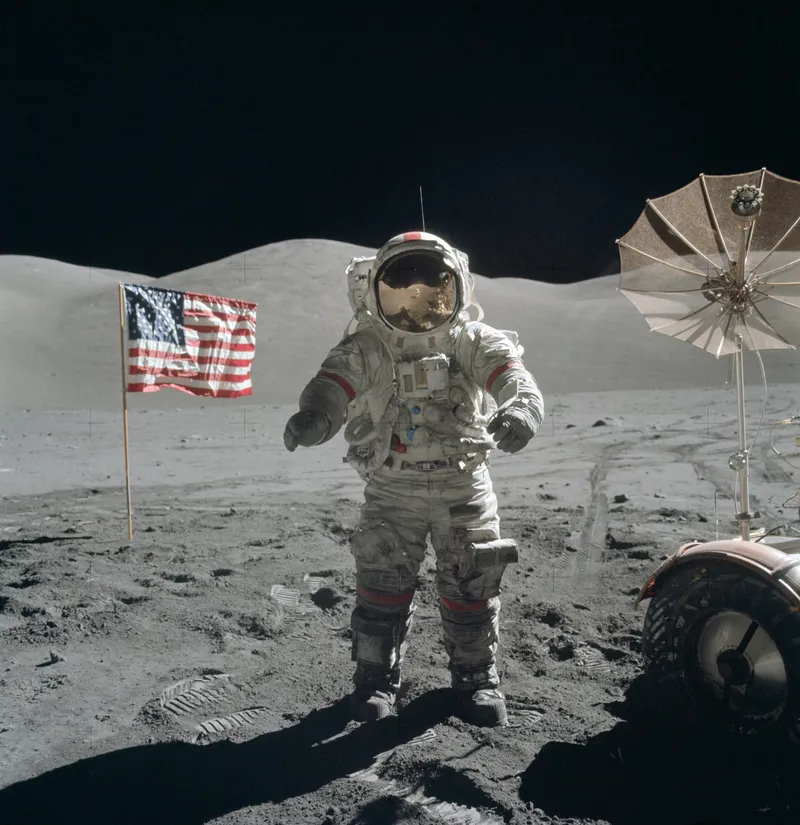
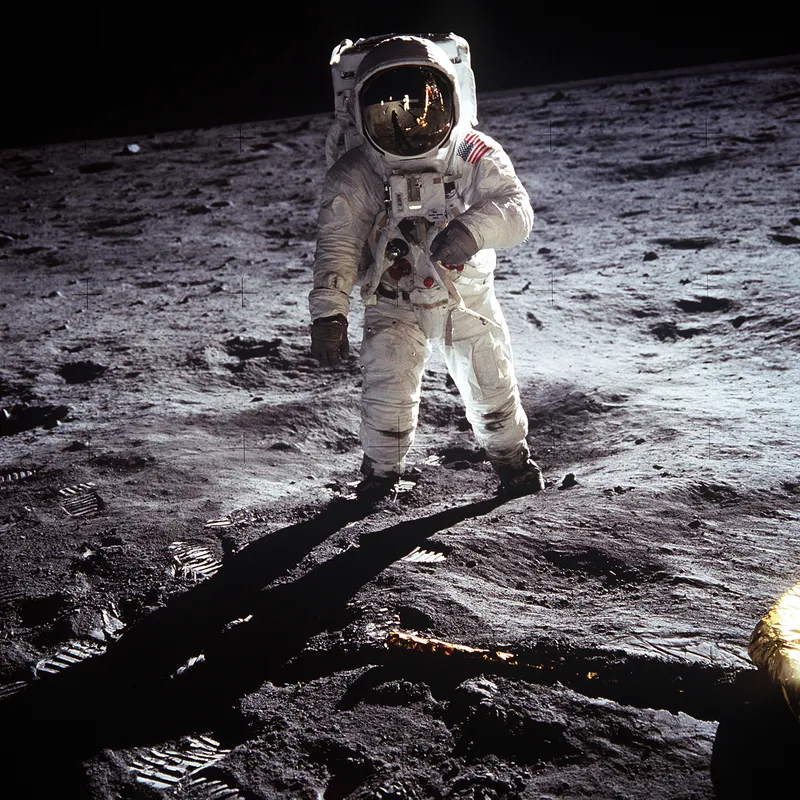
📷 Related Photographs
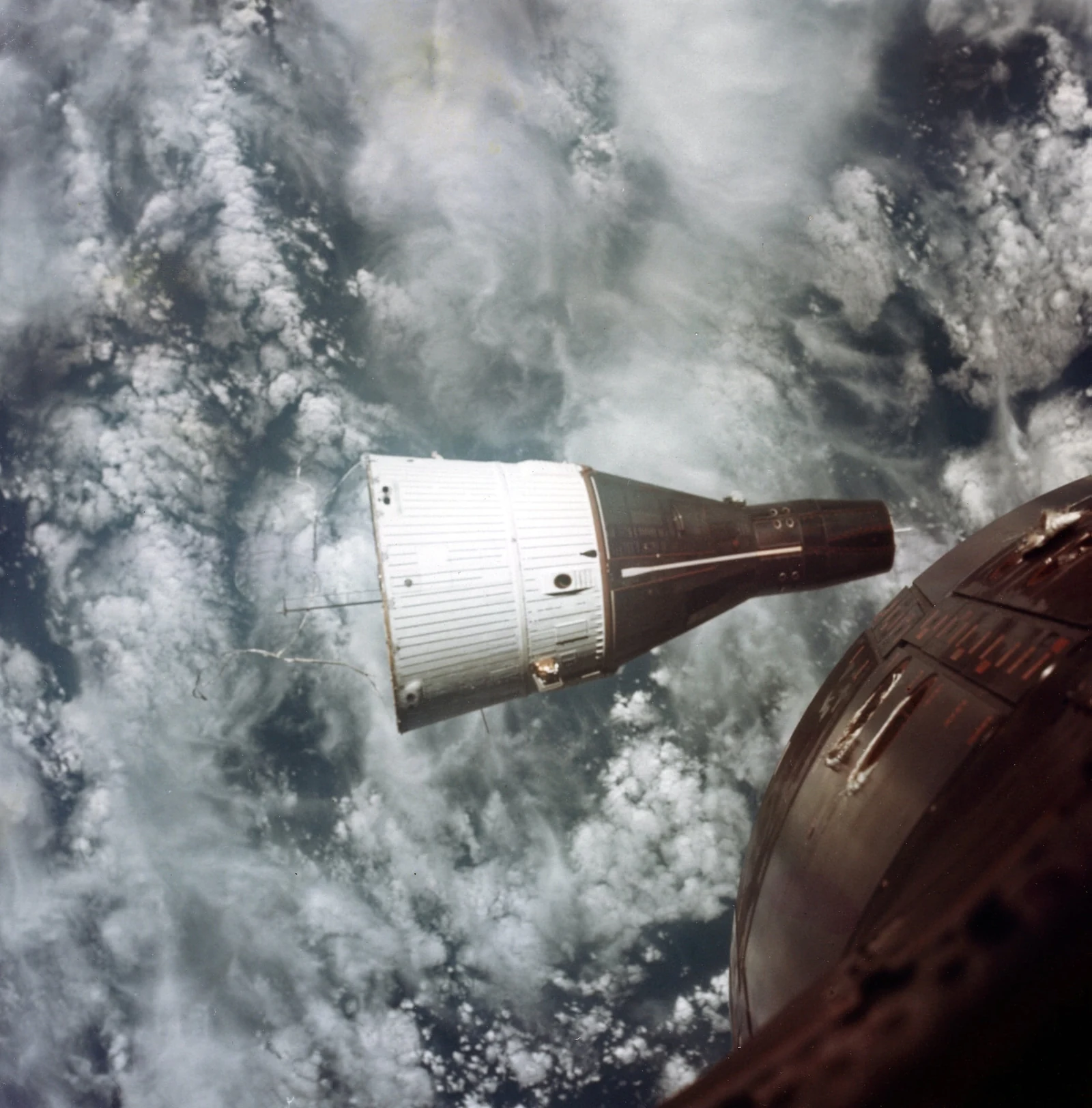
Source: Public Domain — NASA

Source: Public Domain — NASA