📅 Overview
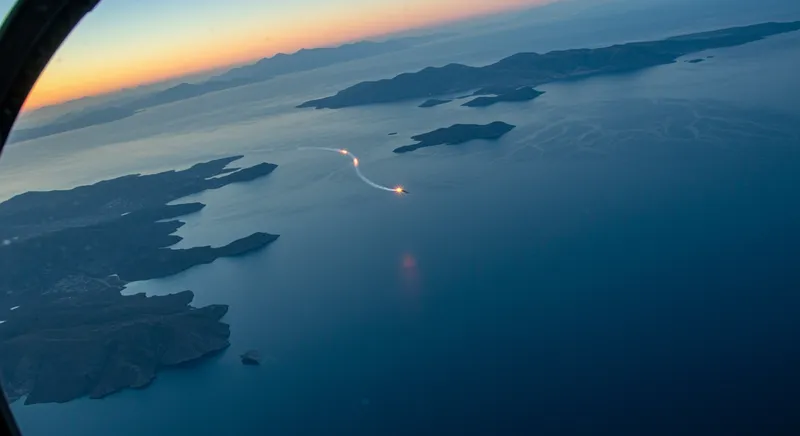
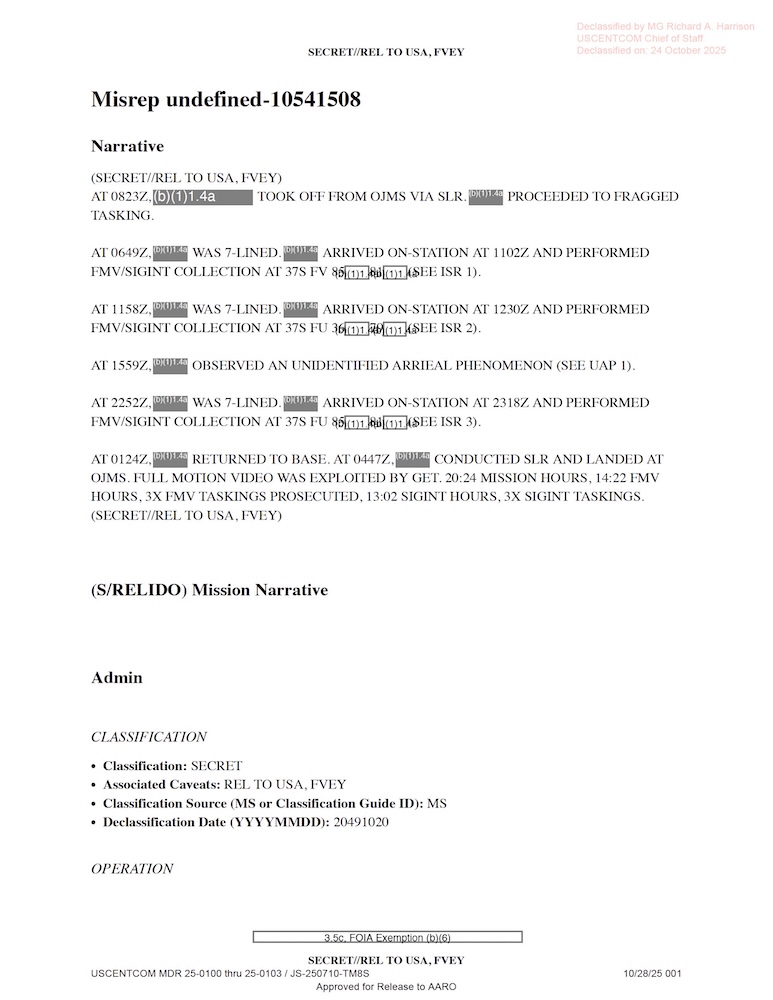
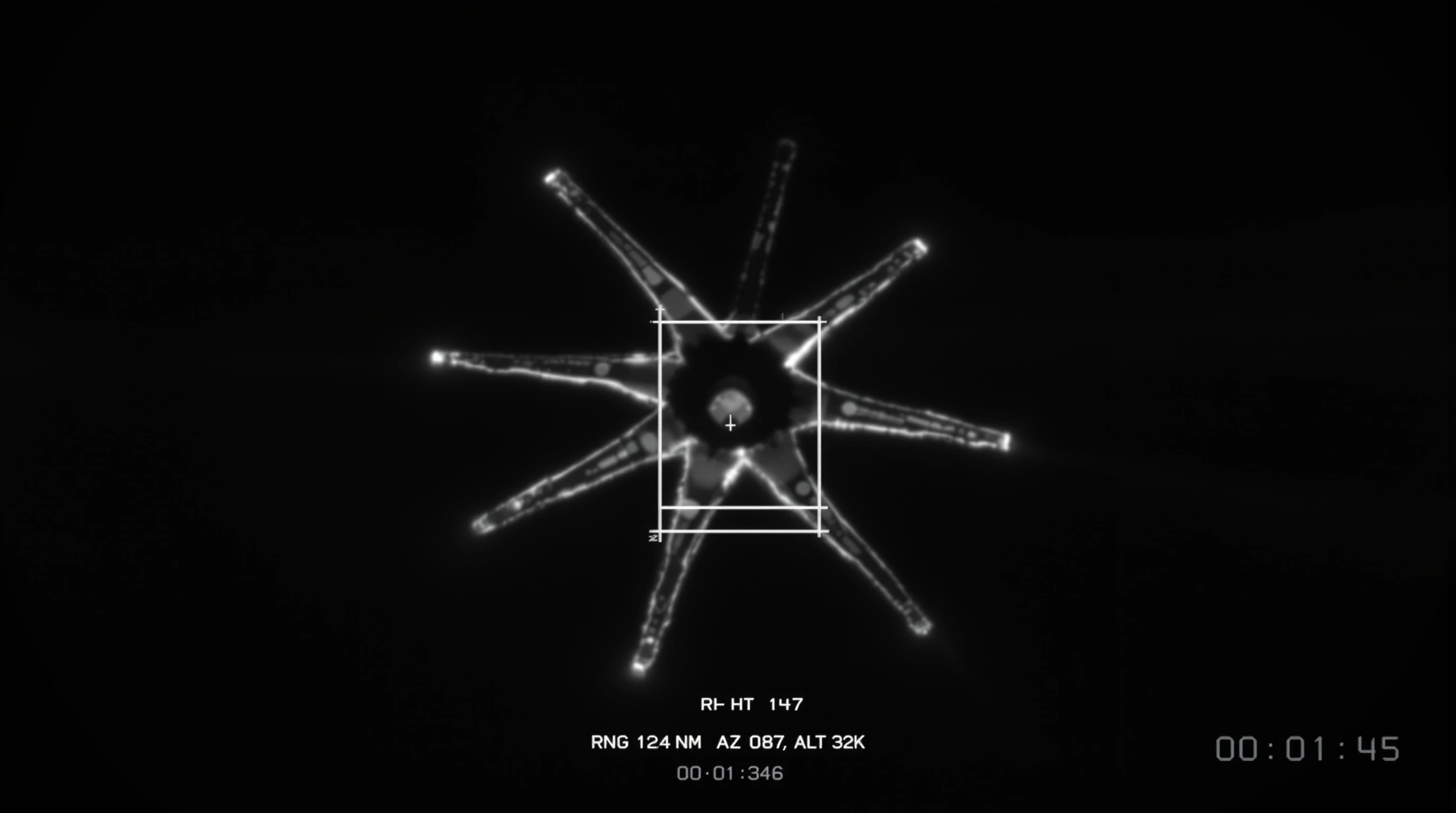
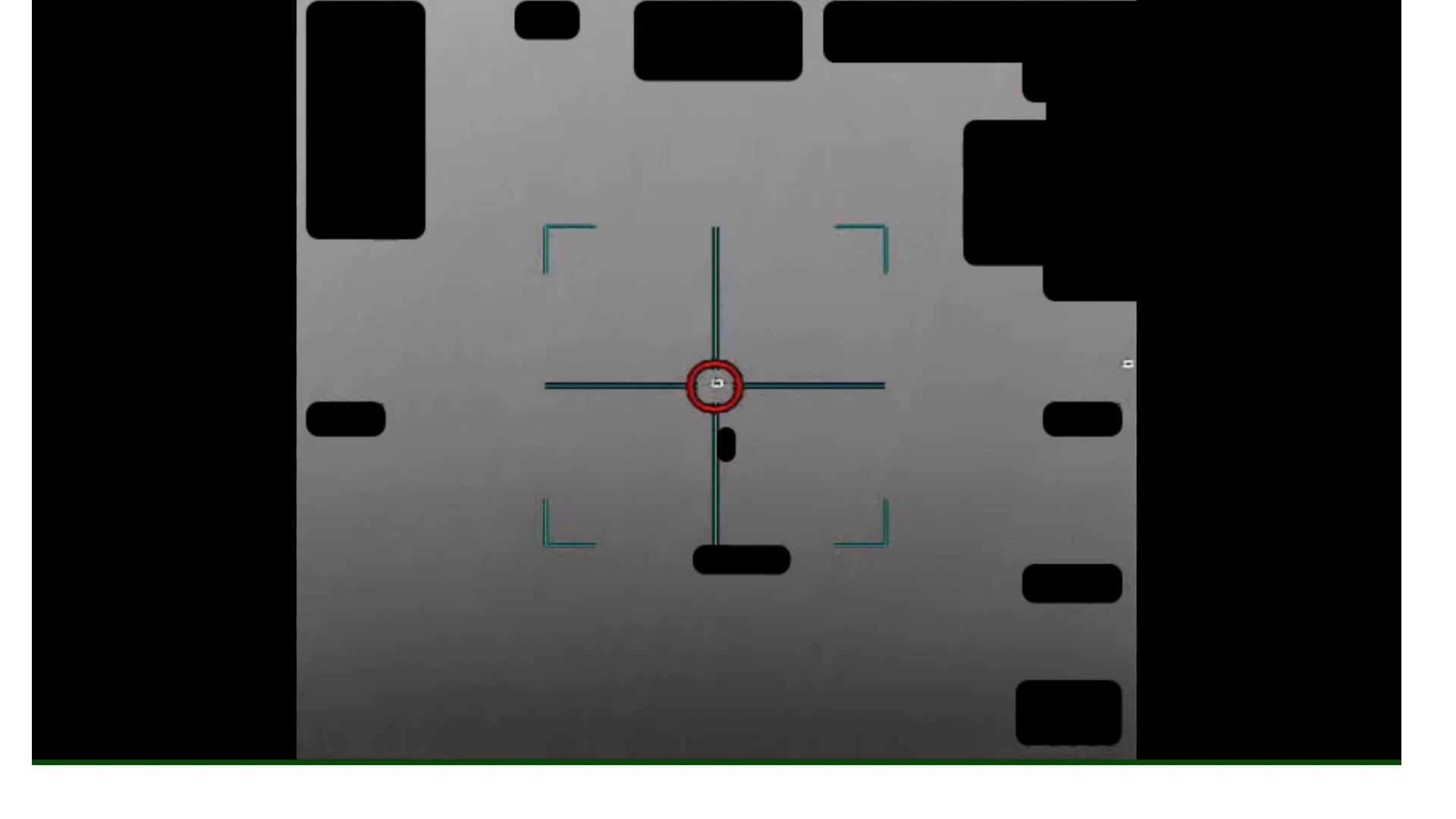
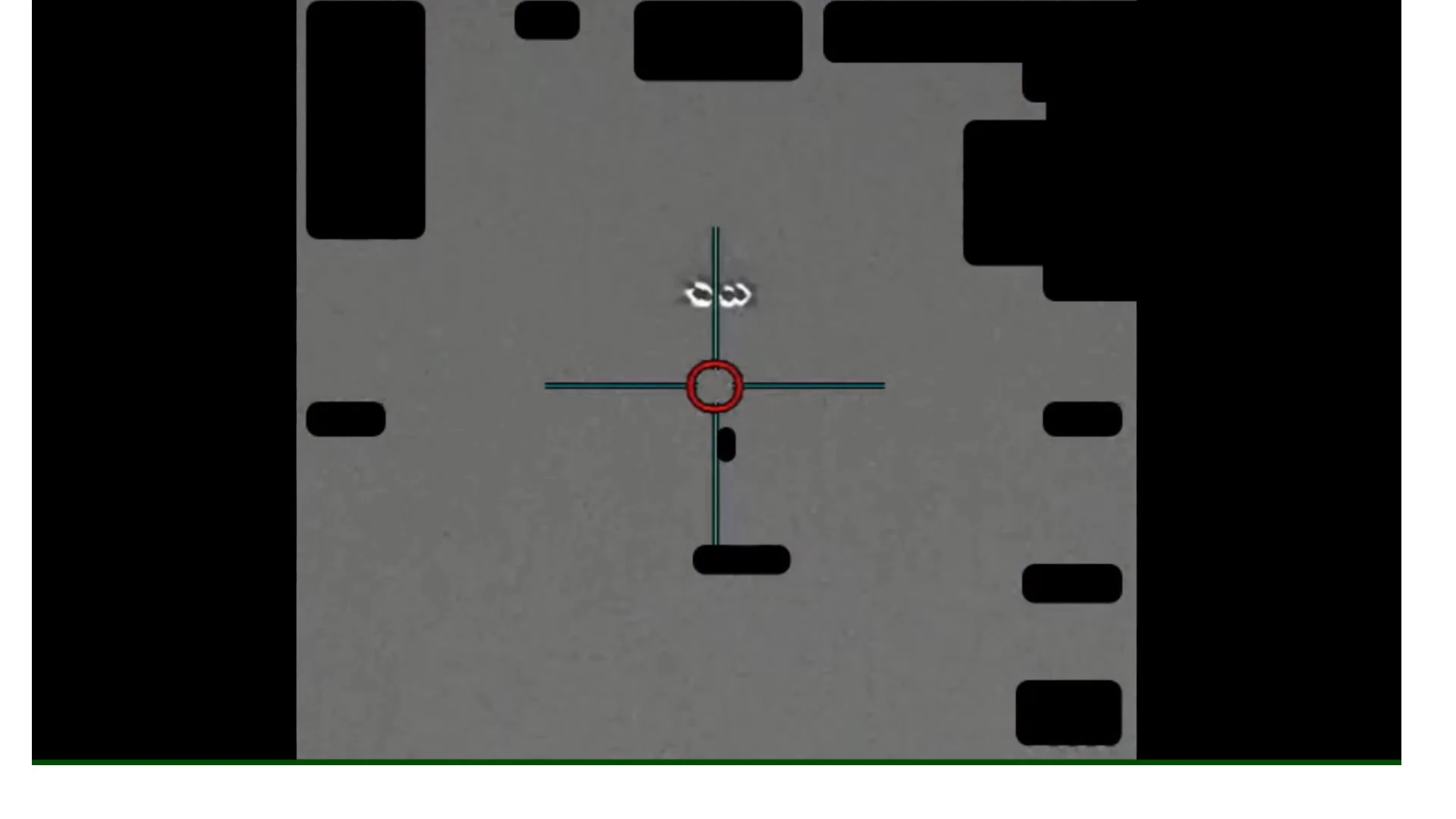
In 2023, in airspace near Japan, the U.S. Indo-Pacific Command (INDOPACOM) military platforms captured a 1-minute 59-second UAP video via infrared (IR) sensor. The video records three separate contrast areas simultaneously, maintaining fixed positions and orientations relative to one another. As a U.S.-captured unresolved UAP case in Northeast Asian airspace geographically near Korea, it is highly relevant for Korean readers.
📷 U.S. War Department / INDOPACOM / DVIDS (Public Domain) · PURSUE Phase 1
🎥 Visual Features
- Three simultaneous UAPs tracked: unlike typical single-UAP videos, three objects tracked simultaneously
- Maintained fixed positioning: the three contrast areas maintain positions and orientations relative to each other — possible formation flight or connected single object
- 1m 59s duration: one of the longer PURSUE Phase 1 videos
- INDOPACOM: Indo-Pacific Command, with broad responsibility across Korean peninsula / Japan / Taiwan / Philippines / Australia
- 2023: relatively recent material (within 3 years)
🛂 Reporting Chain
- ID: DOW-UAP-PR047
- Duration: 1m 59s
- Location: Japan (specifics redacted)
- Date: 2023 (specifics redacted)
- Sensor: IR FMV on U.S. military platform
- Reporting: U.S. Indo-Pacific Command → AARO
- Classification: Unresolved
🌏 Proximity to Korea
Significance of Japanese airspace:
- Most proximate U.S. INDOPACOM operational area to Korea
- Japan → Korean peninsula airspace is ~200–300km
- UAPs observed over Japan may affect Korean airspace
- Possible information sharing between ROK Air Force + Japan Self-Defense Forces
🤔 Analysis
The same conclusion as Korean text — official classification: Unresolved.
📺 Significance
- Most geographically relevant PURSUE material to Korea
- Distinct three-simultaneous-tracking pattern
- Recent (2023) — high information freshness
📷 Related Photographs
Source: Public Domain — DoD INDOPACOM